TERATA
part of ./spiral, presented by SuperRare · New York, September 2026
The story
TERATA is a return to an older project of mine. In 2015 I harvested over half a million stray images from the Internet Archive's book-digitization process — everything its text recognition could not read: illustrations, photographs, diagrams, decorative ornaments. It was a kind of digital beachcombing: picking up what the tide of digitization washed aside, and building a tool to sort and study the finds. Searching them for spirals years later, I came across a dense cluster of shell engravings from nineteenth-century natural history books. Shells had never particularly interested me — which is usually a good reason to look longer.
Looking longer, I fell into the history of shell collecting — a history of genuine mania. In the Amsterdam of the tulip craze the same fortunes chased rare shells; a Dutch poet mocked the "shell-lunatics" in one breath with the tulip fools, and at one auction in 1796 a single cone shell brought several times the price of a Vermeer sold the same day. The science never quite outgrew the cabinet either: the study of the living animal became malacology, the respectable discipline, while conchology — the science of the shells left behind — remained the collectors' pursuit, a little suspect, a little too much in love with its objects.
It also led me to teratology, the old science of monstrosities — from the Greek "térata": monsters, marvels. Conchology has exact names for shells that deviate from their plan: sinistral specimens that coil the wrong way, scalariform ones whose whorls pull apart, growth that breaks off and resumes under different rules. The collectors of that era prized these above all; a fine monstrosity was worth more than a perfect shell.
This collection follows that logic to its end. Of these one hundred specimens, nearly all are deformed — here the flawless shell is the great rarity. Each specimen is grown rather than drawn: a growth rule winds the shell turn by turn, raises its ribs, cords and spines, and paints its pattern along the growing edge, much the way living shells are built. A specimen's nature — its form, its surface, its particular deformities — is fixed for good. But within that nature it is never done: time and again it lets go of its present shape and grows into another one its rules allow, wandering the space of its possible forms without ever settling. Its keeper can pick it up, turn it, and set it spinning. The specimen is a living piece of software, rendered in real time in the browser; the still image is only its portrait.
From the cabinet — a short history of shell madness
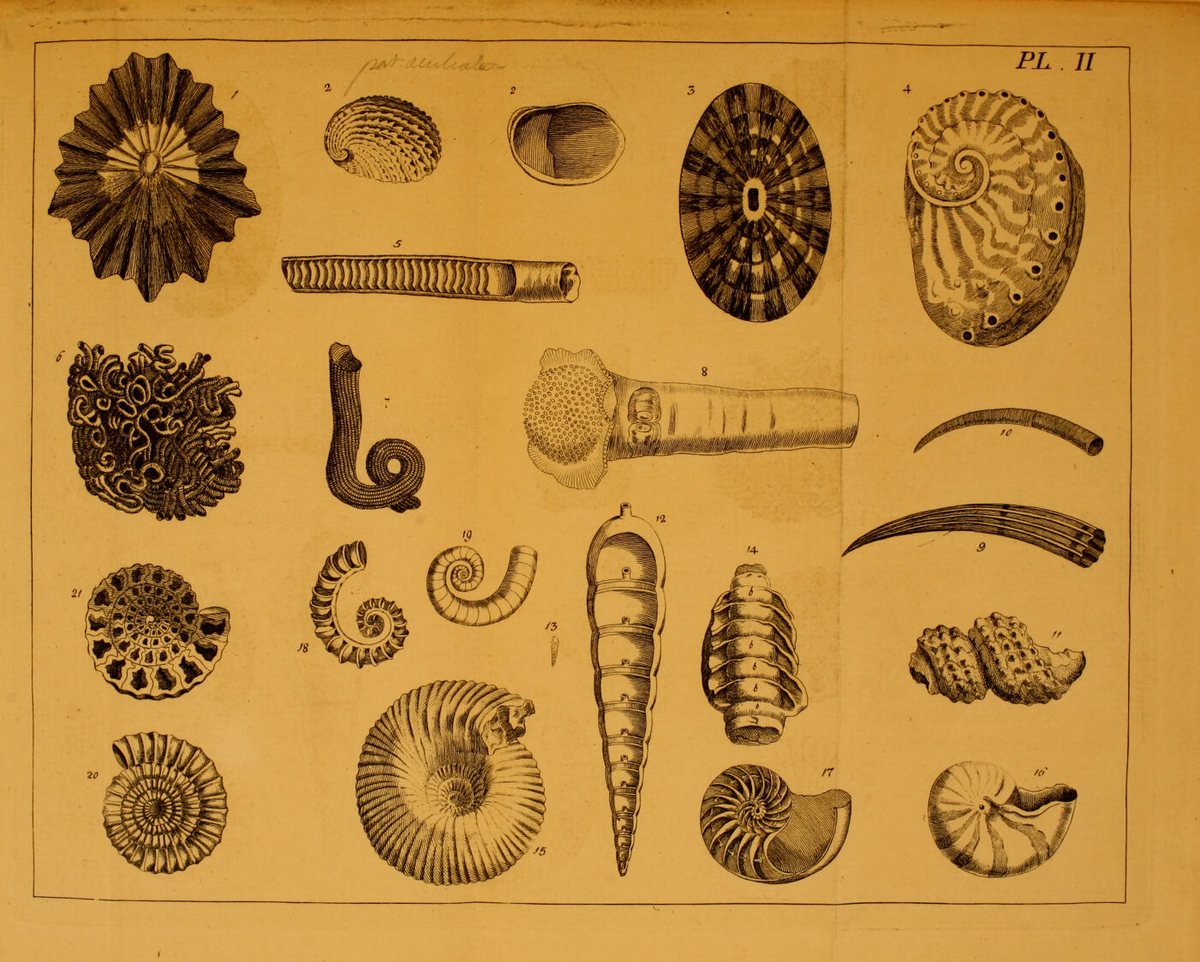
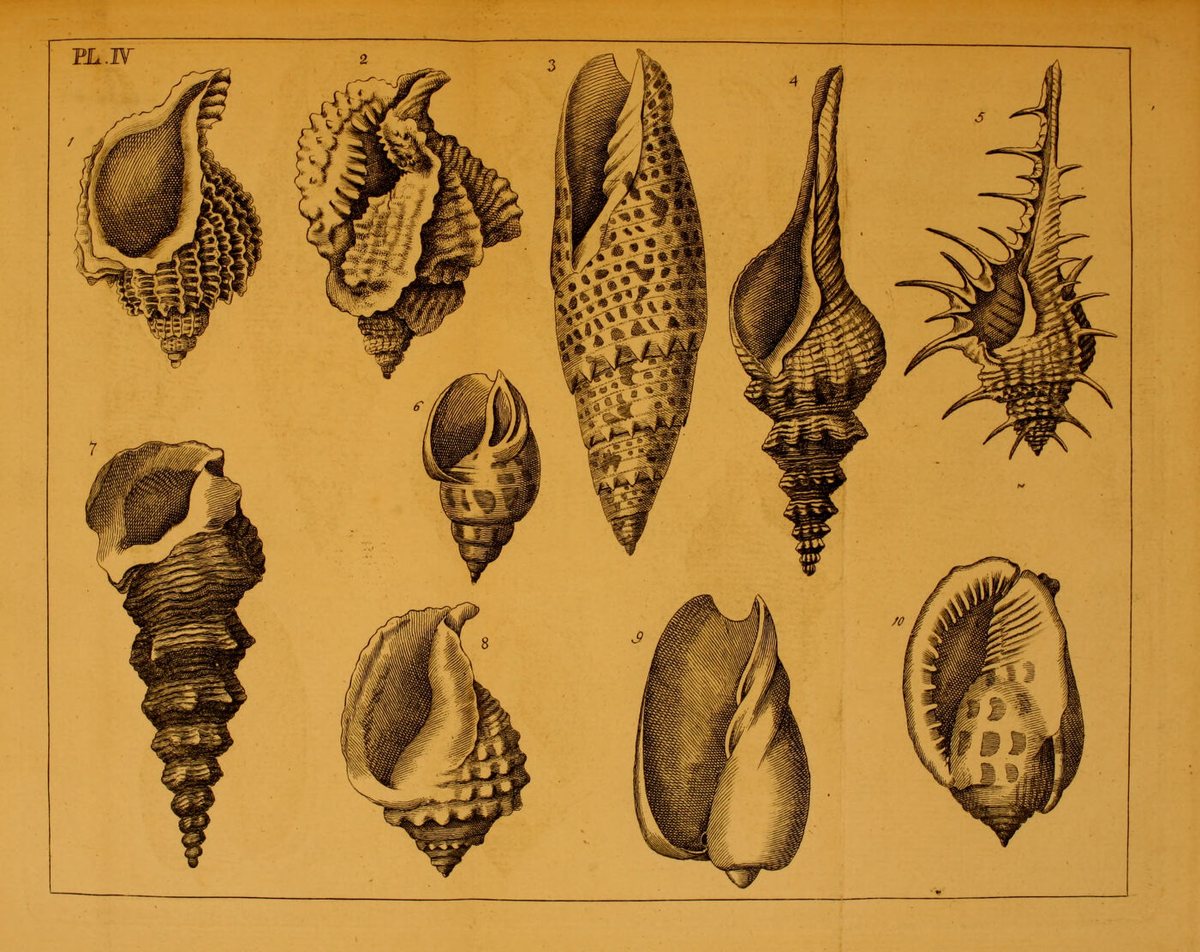
Shell collecting was once a speculative fever. In the Netherlands it ran alongside the tulip mania and often gripped the same people — the poet Roemer Visscher mocked the "shell-lunatics" together with the tulip fools. At an Amsterdam auction in 1796, a single Conus cedonulli — "I yield to none" — sold for 273 guilders while a Vermeer in the same sale brought 43.
And within that fever, the connoisseurs paid their highest premiums not for perfection but for error: sinistral shells that coiled left where their species coiled right, scalariform freaks whose whorls had pulled apart, specimens whose growth had broken and healed under new rules. Teratology — the study of monstrosities — was the collector's secret aesthetic long before it had a name in the books.
The collection
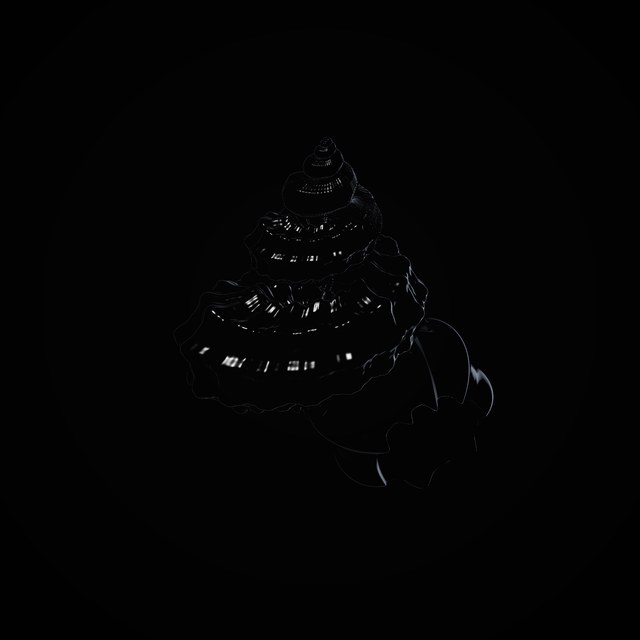
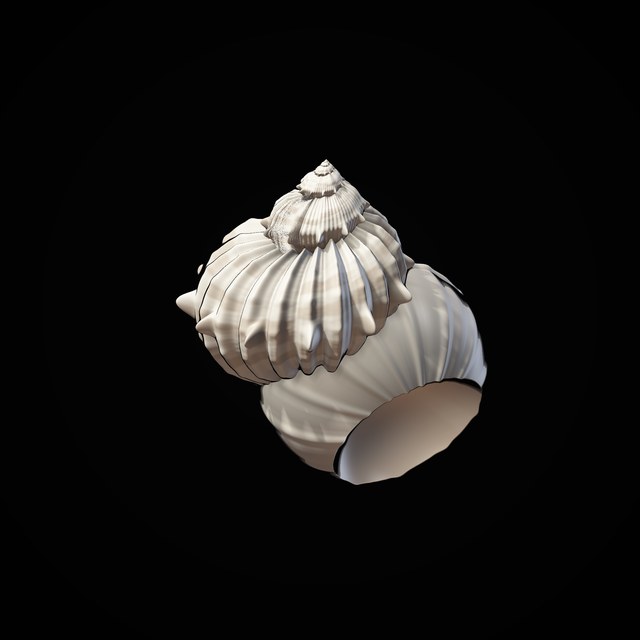
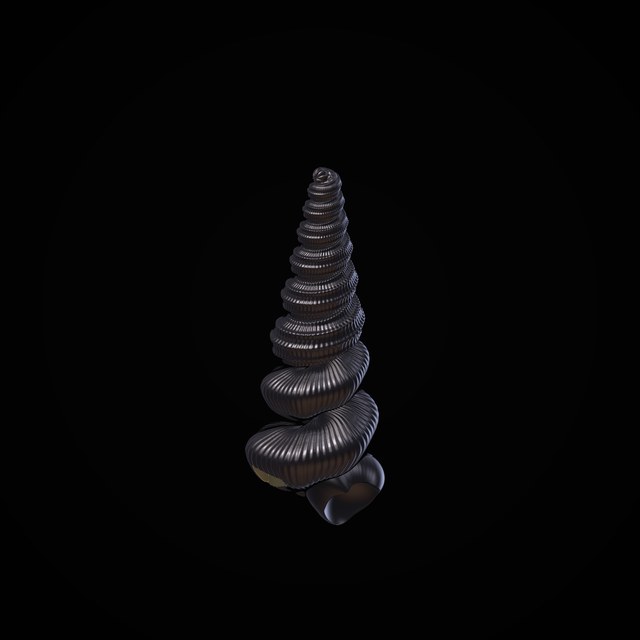
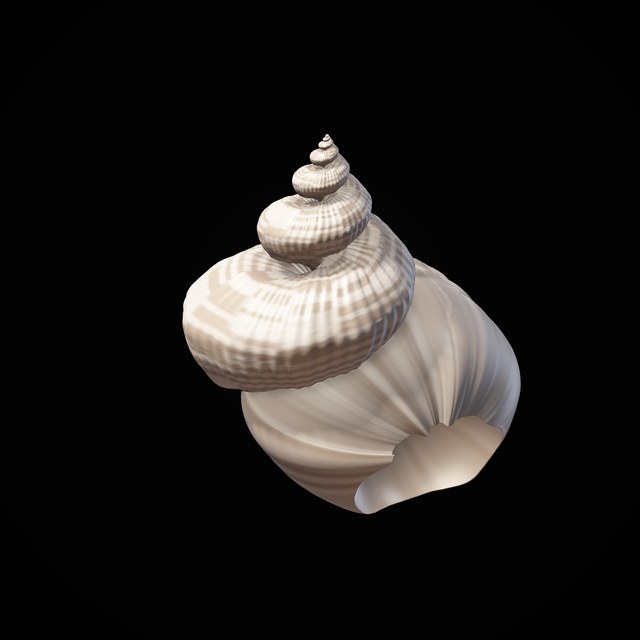
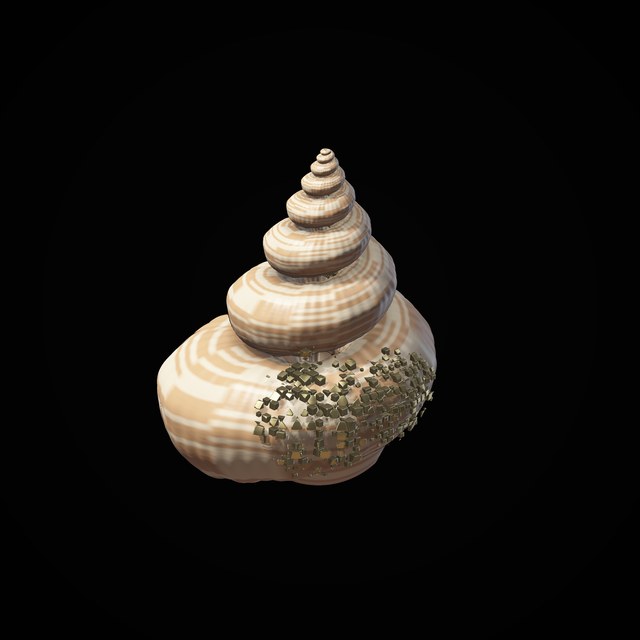
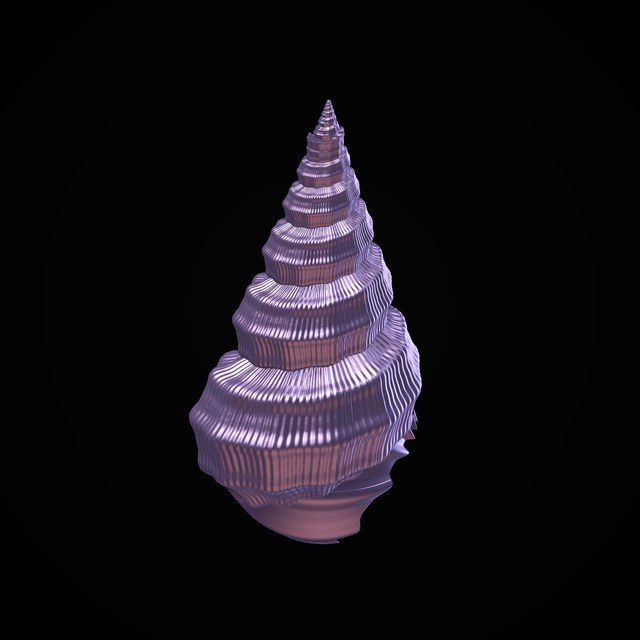
Six of the one hundred — shown in scrambled order that reveals nothing about which token holds which specimen.
The sealed mint — how fairness works
TERATA is sold blind: you choose a numbered envelope, not a specimen. So that nobody — including the artist — can steer desirable specimens anywhere, the collection was fixed and cryptographically sealed before the sale:
- All 100 specimen seeds were generated and frozen before the sale.
- Their fingerprint was published in advance:
sha256 02dce0e38f0abf6d597633bf5fc4a75bea69a609fa8aa760924c7349fd74a354(commitment.json — including an individual hash for every token, so each seed can be verified on its own). - Until a token is bought, its metadata shows only a sealed envelope. Once revealed, the specimen will be a living piece of software, rendered in real time in the browser; the envelope PNG is only a placeholder for the blind mint.
- At mint, that token's true seed is revealed and its specimen page and portrait are published. The revealed seed must match the committed hash — anyone can check.
The study room above uses random unregistered seeds; no minted specimen can be previewed before its reveal.